How to Learn Italian on Your Own

Many of us would love to learn a new language, and there could be unlimited reasons why that is. However, for some, it can be difficult to get started. It could be that some cannot afford in-person classes, private tutors, study abroad experiences, or simply do not have enough time. But this changes today, because it's never too late to start and it doesn't always have to be costly.

Why learn Italian?

Think about it. Even if you haven't had the chance to set foot in Italy yet, you are likely exposed to Italian culture almost daily. Literature, art, and food from the Bel Paese are known and appreciated all over the world. You will always be able to find the opportunity to show off your Italian knowledge, whether it's during a museum visit, ordering food at an Italian restaurant, or when you ask an Italian out on a date. 

Italian and Colorful Street

How long does it take to learn Italian?

It ultimately depends on your end goal and whether your timeline for achieving it is realistic. If your goal is to get a C2 certification in one month, that probably won't work, and you'll drive yourself insane. If you would like to get to a level that is good enough for you to converse or watch television, and allow yourself enough time to do so, you might have much more fun along the way.

How to learn Italian on your own

Before you start your learning journey, come up with a plan. Choose when you want to study, how much you want to invest (either daily or weekly), and finally gather all the resources available to you. Identify the learning method that is most suitable for you. If you don't enjoy reading, it goes without saying that reading in a foreign language is not going to be a pleasant experience for you. Try listening to music or podcasts instead. Watch TV in Italian. Start with English subtitles and eventually switch to Italian. Last but not least, you should practice your speaking, either with other language learners or, if possible, with natives. 

What to watch in Italian

Netflix has a decent amount of Italian content you might be able to watch from your home country. If that's not the case, try using a VPN. 

Here's a list of Italian series and movies available on Netflix: Cinema Paradiso (Best Foreign Language Film, Academy Awards, 1989); Life is Beautiful (Best Foreign Language Film, Academy Awards 1999); Under the Riccione Sun (Netflix Original); SKAM Italia (originated from Norway, every country has now a different version of it); The Life Ahead (Netflix Original); Summertime (Netflix Original); Suburra (Netflix Original); Baby (Netflix Original); Everything Calls for Salvation (Netflix Original).

The more you watch and rate on Netflix, the higher the chances you have of being suggested other shows you might like.

Infinity TV is an Italian streaming platform that contains a greater catalog of Italian movies and TV series, here are some of the most popular ones: Perfetti Sconosciuti, Tutta Colpa di Freud, The Place, Benvenuti al Sud, Benvenuti al Nord, Così è La Vita, Ma Che Bella Sorpresa, I Cesaroni, and many more.

Italian Music for language learners

I don't necessarily like all of these artists. Still, hopefully you will find some whose music you enjoy: Ligabue, Maneskin, Ultimo, ArieteCoez, Marco Mengoni, Jovanotti, Cesare Cremonini, Negramaro, Fedez, and more. Use a music platform that can suggest similar artists to you until you find your rhythm.

Italian podcasts 

If you are looking for something to listen to while cooking, drawing, commuting, etc, podcasts might be right for you. I haven't actually listened to any of these, but I heard good things about them from Italian learners: Coffee Break Italian, Café Design, 5 Minute Italian, Italiano Automatico, ...

What to Read in Italian

If you would like to practice your reading, I'd suggest you start with books you've already read in your native language. That way, you will be able to visualise the story, and it won't be too hard to follow. Additionally, make sure you always have a dictionary close by. Underline the words you don't understand and translate them. Some of the most famous Italian books you can read are the following: The Adventures of Pinocchio; The Late Mattia Pascal; One, No One, and One Hundred Thousand; The Name of The Rose, but these  - depending on your level - can be tougher reads.

Practice your Speaking 💬

Now that you've spent hours watching TV and reading books in Italian, the next step is to practice your speaking. Find Italian speakers in your community who can help you practice. Ask them to converse with you or correct your reading. SPEAK Social is a platform where you can find many language groups. During the first COVID wave, all language groups were offered freely online. Language groups are usually in person and cost a small fee. 

A girl in front of the Colosseum in Rome, Italy

Conclusion

These are just some of the many resources you can use to learn Italian. I haven't watched or read all of the things I listed above, so don't take my suggestions as personal recommendations. If you are learning Italian, have you watched some of these Italian movies and TV shows? Are there more you recommend? Any more books that can be good for beginners/intermediates? Respond in the comment section so that I can add them to the article. 😊

- Cris

How to Choose Where to Study Abroad

You've probably heard it countless times: studying abroad can change your life. At the end of the day, who doesn't like to travel, make new friends, try different foods, and speak new languages? However, even though we always say the world is small, it is extremely big. So... How do we choose where to study abroad? Stay with me, and you will find out. 

Why Study Abroad

Education is important, and those of you who have access to it should consider themselves lucky. Studying abroad in high school will benefit you even more. Those with academic experience outside their home country are more likely to get a job (World Economic Forum). Additionally, they will be able to demonstrate emotional maturity and adaptability. Not many feel ready to leave their homes at 16; if you do, welcome to the club! Moreover, by living with host families, you will be able to learn about new cultures and traditions. In fact, I'm sure that after living abroad, the word "normal" is going to leave your vocabulary because you will develop new habits and everything new is going to become familiar. In short, does studying abroad change lives? Yes, it does.

When to Study Abroad

Given that you are now informed about the benefits of studying abroad, you should definitely explore what programs are available and whether you are eligible or not. Students usually study abroad during their second-to-last year of high school. However, in some countries, students can also take a gap year between high school and college. If you don't feel ready to face this big step during high school, don't worry! Exchange is definitely an option at university as well. 

A guy with a backpack on a bridge


Where to Study Abroad

It is easy to take someone's advice to study abroad; it is tougher to decide which country will become your home away from home. I get it; I still struggle to this day to decide where I want to move next. Unfortunately, I won't be able to make this decision for you. You won't feel 100% sure either. Therefore, you have to be open to taking risks. Even so, today I will try to list several factors you can consider when choosing where to study abroad.

Language Preferences

It goes without saying that thinking about which language you are interested in is important. However, you should also think about why you find that language important. Have you always wanted to speak it fluently? Do you have family that speaks it? Or is it going to benefit your future career? Identify your target language and focus on your long-term goals. 

Career Prospects

Are you looking to move abroad permanently? Perhaps you should consider a country with a low unemployment rate and generous job offers in your desired field. Keep in mind that you will be living with a local family, who will be your main point of reference in building a stable network in your host country.

Cultural Differences

Are you looking for a country with a completely different culture from yours? Or are you looking for a place that is similar to home? Keep in mind that culture shock is real, and it is up to you how you embrace the differences. 

Distance

Are your parents hesitant about sending you overseas? Perhaps going to a country that is only a 2-hour flight away will help your chances of convincing your parents to let you study abroad. Generally speaking, those who studied close to home also visit their host country way more than those who studied far away, as it is more affordable and logistically easier to go back and visit. 

Welcoming Environment

The factors mentioned above are all valuable; however, the biggest advice I can give you is to go to countries where diversity is not considered a threat. Unfortunately, there are still parts of the world where not all forms of diversity are tolerated.

Conclusion

Leaving your comfort zone is going to make you a people person. You are going to become a better version of yourself. There will be ups and downs, and times during which you are going to regret your decision to study in one country rather than another. However, eventually, everything will make sense, and you will learn how to appreciate things as they come. Times are even tougher when you go home from your exchange, and everybody thinks you hate home, but the reality is that you miss your experience abroad and just need time to adjust. 

 Now I would like to hear from you. How did you decide where to study? Share your story in the comment section. If you are yet to go abroad, feel free to ask questions.

- Cris

Moving to Portugal in Your 20s: My Experience in Covilhã and Lisbon


If you had told me a year ago that by now I’d be living in Portugal (again), I probably would have laughed. Portugal wasn’t on my radar as a place to call home back then; I hardly knew anything about it. But here I am today, and honestly, I’m so glad I took the leap.

Why I Originally Chose Covilhã Over Lisbon or Porto

Back in February, I moved to Covilhã, a small city tucked near Serra da Estrela, the highest mountain in continental Portugal. Most people head straight to Lisbon or Porto, so why didn't I do that? I needed some time away from daily life, and I decided to follow love all the way to Covilhã.

Covilhã is a peaceful student city with stunning mountain views, a super affordable cost of living, and a laid-back vibe. The food is delicious, the nearby villages are adorable, and the scenery is next-level. The city sits between 400 and 800 meters above sea level, so you get epic viewpoints everywhere you go. Don't mind the height difference; Covilhã has free elevators to help you get around the hilly streets, so no car is required! I lived there for two months while finishing my final major project for university, and it was exactly the quiet escape I needed.


Fast Forward: Life in Lisbon

Nine months later, I am now living in Lisbon. While Covilhã was perfect for a fresh start, Lisbon has so much more to offer in terms of education, jobs, and things to do in general.


What's the Real Cost of Living in Portugal?

Portugal is budget-friendly compared to other Western European countries. Here’s a quick breakdown:

A beer with friends: As little as €1, if you are willing to look.
Movie ticket: Around €7 (look for discounts on the WTF app!).
Lunch deal: Main course, drink, dessert, and coffee from just €6. Look for 'Tascas'.
Nightlife: Clubs are often free before 12:30am with an ESN card. So, get one if you can.
Mobile data: NOS WTF usually* offers unlimited social media, unlimited calls/texts, and dedicated data for YouTube/Netflix. Keep an eye out for discounts on Uber, movies, and much more. (*plans subject to change).
Getting around: Bolt App is usually the most affordable among others (use the U4RCPQ code upon activation for a discount). A 5am ride to the airport from my place? Only €4.50! Split it with friends and it becomes even cheaper.

How to Learn Portuguese for Free

Worried about the language barrier? Don’t be! The government offers a free program to study Portuguese at your own pace. As far as I know, you can also sign up for on-site classes.

Must-Try Portuguese Foods

Ready to eat like a local? Here are my top picks:
Sweets: Pastéis de Belém, Travesseiros de Sintra, Ovos Moles de Aveiro
Seafood: Bacalhau com Natas, Bacalhau à Brás, Sardinhas Assadas
Meat: Alheira, Bifanas, Cozido à Portuguesa, Francesinha

Is Portugal a Good Erasmus Destination?

Absolutely! If you love colourful streets, sandy beaches, stunning landscapes, and friendly people, Portugal is the place for you. Besides Lisbon and Porto, other popular student cities are Faro, Coimbra, Évora, Aveiro, and Covilhã.

My Favourite Spots in Lisbon

If you decide to visit Lisbon for any occasion, whether it's your Erasmus destination or simply home for a few days, don’t miss these places:

Torre de Belém
Miradouro da Graça
Miradouro de Santa Luzia
Miradouro Parque Eduardo VII
Miradouro de São Pedro de Alcântara
LX Factory (especially on Sundays!)
Feira da Ladra (Tuesdays and Saturdays)


Are you thinking about moving to Portugal? Have you lived here before, or do you have questions? Drop a comment below!

{All photos are my own. If you want to repost, please give credit.}

- Cris

Discovering Croatia's Biggest Cities: Zagreb and Split


It goes without saying that if you are a big fan of the TV series Game of Thrones, you’ll love exploring Croatia’s streets, many of which were featured in the show. As I haven’t watched the series myself, I’ll focus on what makes Croatia special beyond its TV fame.

First Things First: Plan Smart

Croatia is beautiful, but summer crowds can be overwhelming. High season runs from July through September, meaning accommodation prices skyrocket and tourist hotspots become packed. If you’re flexible with your travel dates, consider visiting in May or late September to save money and avoid the crowds.

Be mindful of tourist traps. Many restaurants hand tourists English menus with inflated prices. If possible, ask for the local menu or check reviews beforehand to avoid overpaying.


Split: The Largest Coastal City in Croatia

I lived in Split for a couple of months, and one of my favorite activities was simply walking around its charming streets. The narrow alleys and picturesque architecture make it hard not to stop every few seconds to snap a photo. Some bars are affordable and cozy, perfect for embracing the Croatian concept of Pomalo—“take it easy.”

Must-See Attractions

Diocletian's Palace: A UNESCO World Heritage Site since 1979, this ancient Roman palace is a must-visit.
Grgur Ninski Statue: Don’t forget to rub its shiny big toe for good luck. It’s a fun tradition!
Park Šuma Marjan: A green oasis perfect for hiking or relaxing. Head to Vidilica bar at the top for stunning panoramic views of Split.

Best Beaches

Plaža Ježinac: My favourite beach—quieter than others and just a pleasant walk from my apartment.
Plaža Bene: Great for families, with shaded areas and amenities.
Plaža Kašjuni: Beautiful but often overcrowded during peak season.
Bačvice Beach: Famous for its proximity to the city centre but crowded and touristy. It’s popular among young families and nightlife enthusiasts due to nearby bars and clubs.


Zagreb: Croatia’s Capital in 24 Hours

Zagreb’s city centre is compact, making it ideal for exploring on foot. I recommend joining a free walking tour—it lasts about two hours and provides fascinating insights into the city’s history.

Historical Highlights

Ban Jelačić Square: Locals simply call it “the square.” Named after Ban Jelačić, who became governor in 1848 during the revolution.

Lotrščak Tower Cannon: Since 1877, a cannon fires daily at noon to mark midday—a tradition that sets the clock for church bell ringers across the city.

Zagreb Cathedral: At 108 meters tall, it’s Croatia’s tallest building.

Unique Features

World’s Shortest Funicular: Only 66 meters long, this funicular has been operating since the 1890s as Zagreb’s first public transport.

Gas Lanterns: Zagreb is one of only three capitals (alongside Berlin and London) where gas lanterns are manually lit every evening—a charming tradition.

Food Recommendation

If you’re hungry after your tour, try Štrukli. This traditional dish consists of dough filled with cottage cheese and eggs; it can be boiled or baked. It’s delicious but not suitable for vegans.


A Glimpse into Croatia’s Recent History

Croatia has been a peaceful country since 1995, but its history is marked by conflict. In 1991, Banski Dvori (the presidential residence) was bombed in an attempt by Serbia to conquer Croatia. The president narrowly survived the attack.

Conclusion

Croatia offers much more than stunning beaches—it’s rich in history, culture, and unique traditions. Respect its streets, beaches, and citizens as you explore this beautiful country.

Have you visited Croatia? What was your experience like? Do you have favourite places or tips to share? Leave a comment below!

Please respectfully mention the blog if you share my pictures.

Cris goes to BOSNIA.

Only about 10 days ago, I moved to Croatia, and I have already decided to travel to nearby Bosnia and Herzegovina for the weekend. I was only gone for a couple of days, but this has definitely been one of the most interesting trips I've been on so far, and soon you will discover why.

Food in Sarajevo.
As soon as I woke up after a good night of sleep, one of the things I was most excited for was actually breakfast. I wanted to try new foods, and there was no time to lose, so instead of the usual croissant and cappuccino, I ordered Burek and Bosnian coffee at what we were told was the best place in town, called Buregdžinica Bosna, and this is what I received:


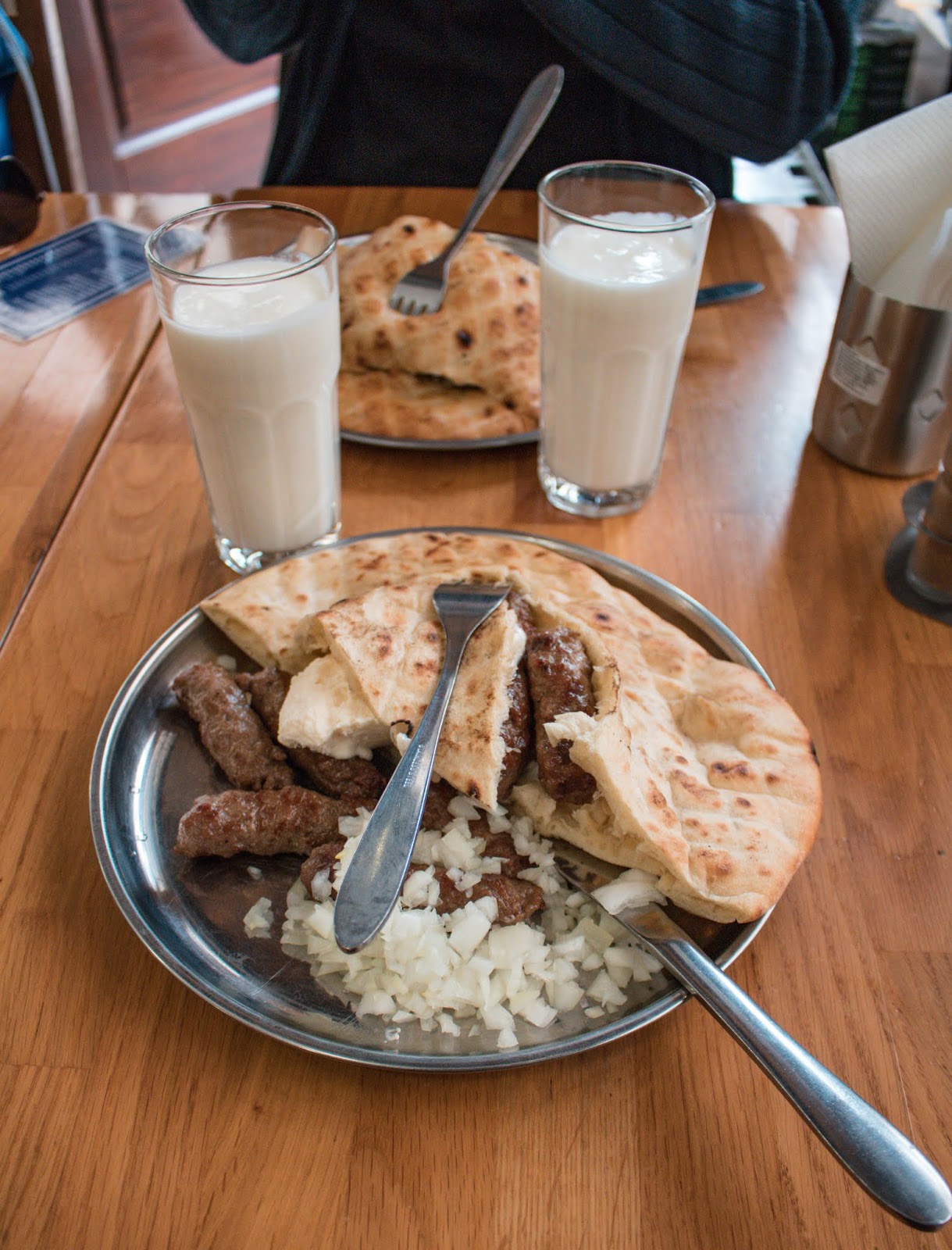
It was absolutely delicious. Those were baked pastries filled with different fillings, and we obviously ordered all kinds because we wanted to try them. One was with cheese, the second with meat, the third with potatoes, and the last with spinach. With our coffee, they also brought Turkish delights. The whole coffee set was made of copper. Everything was absolutely fantastic... and we literally paid only €2.75 each! Speaking of lunch, you can eat the typical ćevapi for less than €4. We were told that the best place to have one is Ćevabdžinica Željo.


Scenic Views.
There's a gondola lift in the city that just reopened last year. A round-trip ticket costs €10, and there is no student discount. The view from the cable car was absolutely breathtaking. The city is surrounded by mountains, and you can clearly see which part of it is new and which one is the old town. 


Free walking tour with Meet Bosnia.
Given that we knew little about Bosnia before travelling there, we decided to sign up for a free walking tour by Meet Bosnia. They were fabulous. Our tour guide was really nice, smiled the whole time, and was open to questions. To start off, we were told that the city was the centre of the world on three occasions: 1914, 1984, and 1992.
In 1914, the assassination of Archduke Franz Ferdinand of Austria and his wife was the start of the First World War. In 1984, Sarajevo hosted the Winter Olympic Games, and in 1992 the longest siege in modern history started. One of the buildings that burned down during the siege is the city hall, which reopened only in 2014. It suffered a loss of around 2 million books.


Worth mentioning is the legendary story of Inat Kuća, the building with the green balcony. When the Austro-Hungarians wanted to build the current city hall, named Vijećnica, they had to negotiate with the owner of the property, Benderija, who did not want to give up his house and the view over the river. He eventually agreed to give up his property only if they would give him a bag of golden coins and, more importantly, if they would move his house on the other side of the river brick by brick.

Sarajevo is a multicultural city that hosts many nationalities and religious groups. In fact, there are many Croats, Serbs, and Bosniaks, and because of all the different religions, the city hosts many places of worship (mosques, synagogues, cathedrals, and Orthodox churches).

There is a point in the city called "meeting of cultures". If you walk east, you enter the Turkish-looking part of Sarajevo; if you walk west, you enter the Austrian side. It is incredible to see how different the architecture is depending on where you are standing. It is clear that Sarajevo was ruled by the Ottoman Empire and later by the Austro-Hungarian Empire. 


In Bosnia, many things are handmade with copper, especially coffee sets. I couldn't resist, so I bought one, but they also have pens made of bullets and more stuff to choose from. The results of the recent conflicts are still visible, and it was something that particularly touched me.


I haven't mentioned many things about Sarajevo. Still, I could probably continue for hours, so here's a quick list of the things that I haven't mentioned yet that is worth checking out: Sebilj fountain (rumour has it that if you sip from it you will return to Sarajevo in the future!), IIWW Eternal Flame, Sacred Heart Cathedral (the Hungarian architect was inspired by Paris' Notre Dame), Gazi Husrev-beg Mosque (which is the largest historical mosque in the whole country), and last but not least the place where the Archduke Franz Ferdinand of Austria and his wife were murdered:


But Sarajevo is not the only place I visited while I explored this beautiful country; I also walked around Mostar, a cute little town full of shops that sell things made of copper. It's famous for its bridge and, in my opinion, there isn't much to do except walk around.


What Went Wrong.
Obviously, something had screw our plans up. To this day, I don't understand if I got on the wrong bus (even though we specifically asked the driver) or if Bosnia just isn't well connected with its border countries. The bus we were supposed to take was scheduled for 4pm with an arrival time of 7pm. It was meant to cut east through the country, but instead, it took us south, through Mostar, which is where we were supposed to go only on our way back home. What was supposed to be a 3-hour ride was extended by five hours. In perspective, it took 14 hours to reach Split from Milan, and it now took eight hours to reach Sarajevo from Split.

Alright, next...

As we were trying to get off the bus at around midnight, a random guy stuck his head inside the vehicle and asked if we needed a taxi. Yes, we did need one. It was probably the safest way to get to our hostel at that time of night, especially as it was approximately 4 kilometres away from where we were. We asked this person if he was a taxi driver, and he said yes. We asked which one was his car. He pointed out a black vehicle parked on the side of the road, with no proof that he was a real public driver. As we told him so, he replied that he was an Uber driver. However, we knew that there was no Uber in Bosnia, at least not at the time. "No thanks, but we are not getting in a car with you", and he finally admitted, "A real taxi driver will charge you more than me; choose me!"

We eventually took a real taxi, obviously, and we were charged the same amount as this guy. When we arrived at our hostel, a really kind and helpful young woman welcomed us. She gave us all kinds of advice on Sarajevo, and then we went to bed.

On our way back to Croatia, we obviously had to go through passport control. It never happened to me in my entire life, but Rafael and I were the only ones who had to leave the bus and follow the officer into a room where they searched our stuff. We are not sure why we were the only ones. Likely, they chose randomly. Otherwise, I can't explain what made them think that we were possibly dangerous. Anyway...

Bosniaks.
I was really happy with the way locals treated us. Both the people who checked us in at the hostels we stayed at were really nice and friendly. Overall, people at restaurants were kind and accommodating, and when we tried to speak the language, they helped us with the correct pronunciation. I highly recommend signing up for a free walking tour with Meet Bosnia. They are well-prepared and will make you feel at home!

_

I hope that you enjoyed this post about Bosnia. Feel free to ask me any questions in the comments section below and hit the "Follow" button on the right-hand side of the desktop version page. I also took all the pictures in this post, so please cite the blog if you decide to use them. Follow me on Instagram @crisgoesabroad for more pictures of my travels!


- Cris


Cris goes to HONG KONG.


Believe it or not, Cris went abroad... again. This time he, well I, went to Hong Kong. I have never been to Asia before so you can imagine the excitement of experiencing it for the first time. All the countries I have been to before have different cultures from one another but spending one week in Hong Kong has been the most interesting experience up to date.


The culture is so different. The first language is Cantonese, even though they also speak Mandarin, which means that people from Hong Kong can understand Chinese people but usually people from China don’t understand people from Hong Kong. There are many markets all around the city, even at night. The underground is so clean that it shines, there is AC - and yes, it actually works -, the map turns on and off and shows you the direction you are going, which door is going to open, and where you can switch to catch other trains. Also, it is forbidden to eat or drink on public transport. As you wait for the train, there are signs on the floor to show you how you are supposed to line up and leave room for people to get off. 

You are not allowed to smoke unless there are bins with ashtrays, which means that many areas of the city are pretty clean. Public toilets have signs that ask customers to close the lids before flushing to prevent water to splash. It all seems quite straightforward but I never saw anything like this before. Public toilets I've been to in London are quite dirty, Italians don't know how to queue, and people pretty much throw their cigarette butts on the floor. 

The modern part looks like London or New York: there are many skyscrapers, fancy cars, and well-dressed people. You have to explore inner Hong Kong if you are looking for authentic. There, you can see construction sites made of bambù, clothes hanging outside to dry, dirty old buildings, many dated signs, ... The city is vibrant with lots of people at any time of the day. Mong Kok is one of the busiest areas in the world. Markets are open late at night and you can find anything and everything for fairly cheap prices. 


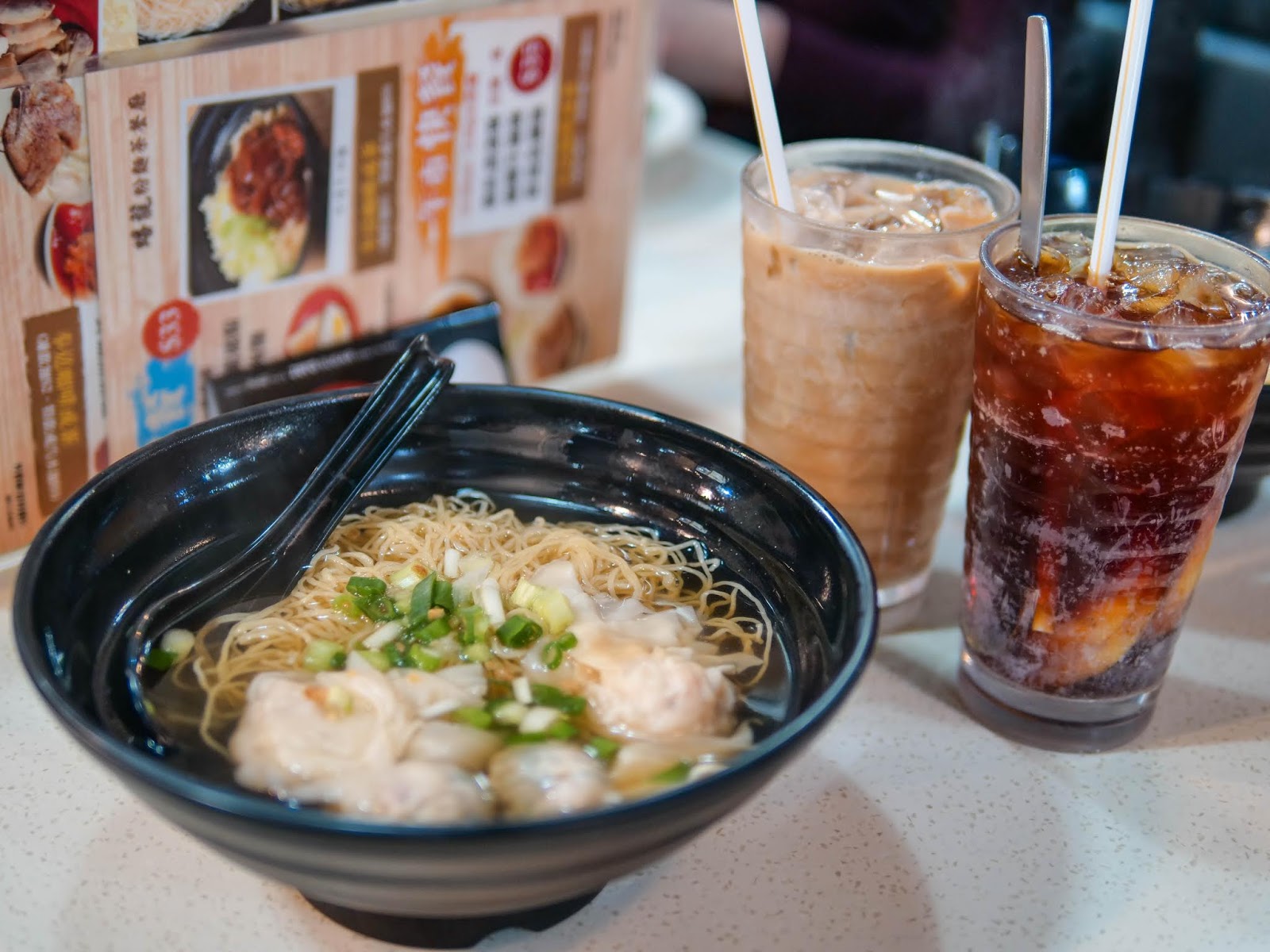
I absolutely loved to try the foods. Among all, I loved dumplings, noodles of any kind, milk tea, pineapple bun, bubble tea, egg tarts, and pretty much anything made of rice. I tried to be as open as possible but I just could not try snake or any kind of insect. 


Among all the things we have visited, there are many temples. I have tried to learn as much as possible about their faith even though I am not a religious person. I am grateful I was able to experience the city with locals for about one week, which made it possible for me to do things that tourists usually don't do.


I grew up with the desire to visit many countries but for some strange reason, Asian countries were not at the top of my list. After visiting Hong Kong, I can't wait to go back and visit more. I wouldn't probably move to Asia permanently but I definitely want to see more of it. It is so different that I was amazed at everything I saw, plus I felt safe everywhere I have been to. I highly recommend it, and if you need any tip, itinerary ideas, or anything about Hong Kong do not hesitate to contact me.

- Cris


A Real Journey Is Played Out Between Sky And Earth.


What is it that makes a trip official? The purchase of tickets, isn’t it? Flying is the action that starts and ends a trip, just like driving, cruising and riding the train. A real journey is the one that takes you so far that you don’t recognise anything as familiar. 


If we go to a new country, engage with the locals, try the foods, and ask for directions, we are in the process of learning and educating ourselves. If we go to an amazing resort and sit by the pool every morning we are just enjoying ourselves (and we need that too). 

People don’t see study abroad programs, volunteering opportunities, or gap years, as “living abroad”. They expect you to come “home” at some point. But once I’ve done all the things I’ve mentioned before, I’ve studied and I’ve paid bills in a country - I lived it. It became a part of me somehow. 

A well-played journey is the one that keeps you in the air, at airports, or on a bus transfer, for something like 12 to sometimes 30 hours; it’s the one that drives you crazy and makes you think it probably wasn’t worth it - but there you are, landing in a new country, arriving at the bus station, inserting the key in your new front door, and that’s when everything starts to make sense. At that point, it’s you facing your future and using your knowledge to make it through. You are going to suffer, to face new challenges, and to fall. But all of it will happen to teach you something and to possibly make you a stronger person.

I experienced something like that when I moved to the United Kingdom this past autumn. I thought I was going to have the perfect experience because I already lived in England once and I liked it. I made the mistake to compare my previous experience to the one that I was about to live: big mistake. Everything was different. I struggled to find a job, my class was smaller, I changed accommodation three times as I couldn't sleep because of the endless noise that surrounded me day and night, I didn't receive the support I thought I was going to get, and at that point I thought: Was it even worth it to invest all the money I did in an institution that doesn't support its students? No. Did I think about dropping out? Many times, but I didn't do it. I was eventually able to leave the dorms and see the positive side of the story: my class was nice, my teachers well prepared: it's going to be good to graduate. I am in a much better mental situation at the moment - I am still stressed about projects, future plans, and lack of fundings for all the things I have in mind, but that is all fixable with dedication and time. 

That said, where are you going next? Do you have any trip coming up? How are you thinking of facing the obstacles you might face during your journey? Let me know in a comment below!

- Cris

The Perks of Being a High School Exchange Student.


When I came back from my exchange some of my high school mates asked me how my “long vacation away from parents” was. Hearing how they would refer to what is one academic year away from home annoyed me quite a bit. For your information, going on an exchange is way different from spending a vacation abroad. Follow through these before discovering what the perks are:

LANGUAGE BARRIER.
You might have studied your host language in school before but it doesn’t necessarily mean that you are good or fluent in it. Like, seriously, I wasn’t good at math when I studied it in Italian, how easy do you think it was when I had to take it in English?!

NEW ENVIRONMENT.
You are not living at the house you grew up in, and you are not surrounded by your family and friends. Your mom is not cooking and your dog is not there to pet. You may have left the continent even, so everything that is around you is completely new, starting from the people you now live with: strangers that you will learn to trust over time.


NEW FRIENDS.
Suddenly, you are without your best friend, the person you probably grew up with, and all the other ones that come along when you go out for a drink. The people you might want to be friends with abroad, most likely, already have a group of friends so you will have to do all the work and gain their trust in order to be considered part of the pack.

UNPLEASANT SITUATIONS.
While studying abroad everyone gets a little bit homesick or sad about something. There are a lot of things that might contribute to that feeling, starting from classmates that make fun of you for the way you dress, for your broken speaking capabilities, or who knows what for. 

So, if you are one of those who thinks that going on an exchange is a long vacation, think again. It is hard enough having to grow up where you were born and raised, try to imagine being sent overseas on your own at the age of sixteen. Now that I have listed the things you might have some difficulties dealing with, I will try to underline the perks of what living overseas as a foreign exchange students are because those are what actually count in the long run.

You are a celebrity.
Oh, yes! You are the new guy in town, the cool kid from Europe who came to the boring American city. Maybe your school is even K1-12, meaning that it has elementary, middle and high school all on the same campus, and so, everyone knows everyone. They see you and they all start to wonder who you are. By no time you are on everyone’s mouth, it is up to you to keep that excitement going by speaking with people so they get to know you. If you do not, they will slowly get used to you being there and will not pay that much attention to you because after all, they have their friends they always hang out with.

They love your accent.
They will ask you to repeat a word twenty times just because they think you pronounce it in a funny way. Do not take it too seriously, even if it sounds like they are making fun of you. Let them, because your English will get better and they will start speaking about something different and hopefully you will be their friends after all. And besides, who does not like foreign accents?

Less school, more learning.
If you are lucky, your school counselor will help you out in picking the classes you will be taking for the entire year, but since you will be an exchange student they will also allow you to switch classes throughout the year if you are struggling with something. Also, teachers might give you half of the homework compared to the rest of the class because it might take you twice of the time to do it, or simply because they understand that you are also there for the experience, which is already a learning process itself.

From Student to Traveler.
What do you do when you go to a foreign country? You try to visit it as much as possible because you don't know when you might go back. This same principle also applies to exchange students, that, in fact, explore all the time. As soon as I arrived in America, I started taking pictures of everything because I wanted to capture every moment (and also because some things were strange and I needed to capture them, like… what’s up with the level of water in American toilets?!). Photography is not the only passion I discovered while studying abroad, but also writing, duh, and traveling. I visited a lot of States whilst in the USA.  In fact, my math teacher was sick of me asking for permission to go somewhere all the time, he always looking at me like if I disappointed him when I asked him to sign, but he would always do so. 

Speak your own language.
FYI, It is rude to speak your own language in front of others, so I hardly did it, but sometimes I felt like I needed to speak in Italian just so that I could pour out. I vividly remember when I decided to go on a scary ride at the amusement park California Adventures. I wanted to scream but I did not want to be understood, so I started swearing in Italian.

Start taking care of yourself.
Despite having to rely on other people for rides anywhere, I was pretty much independent. Before going on exchange the food was always on the table, I shared my room with my siblings, and so on, but once I arrived on exchange I became more independent, if no one was at home I’d cook my own lunch,; I’d do my own laundry, I’d help with errands and chores.

Have the Time of Your Life.
Your experience may have been full of ups and downs; it may have been too hard at times; it may have been stressful... but the things you did to overcome the problems, the people you've met, the places you've seen... those will never leave you.


This is very personal and based on my own experience but you guys are more than welcome to leave a comment below if you feel like there is something that needs to be said about this. If you made it to the end, congratulations! Here's a new article for you to read:

- Cris

My Nationality Doesn't Define Who I Am.


I was born and raised in Italy by Italians. I guess I am legally Italian - but my head is always elsewhere.

I prefer to speak English rather than my own language. I do like to sleep but I also like to get things done which means I do not sleep after lunch like Italians do. I like pasta but my favorite dish is not Spaghetti Alla Bolognese. I love going to the beach but I would never live in a city like the one I go to every summer. I normally have a cappuccino and a croissant for breakfast but if I could choose something else, I'd probably go for pancakes. All I'm saying is that I don't want to be a living stereotype of what people think Italians are. I may or may not be loud, late or using my hands a lot - just like any other human being.


I am not trying to say that I dislike my home country, I love Italy, it is a beautiful place. I just find it "reducing" sometimes to say that I am Italian. I am not only that, in fact, I am Cris. I watch movies in their original language, I love Mexican food and I could not care less about soccer. I like to believe that I am a bit of everything. Even though I love Italy I do not like to speak about it as if it was the greatest country in the whole world, I believe there is something we can learn in every country. In fact, one of the best moments I've experienced when I was abroad was being asked: "Which state are you from?" by a lady who thought that I was American. I felt happy, not necessarily because I want people to think that I am American or I want to be, but because I was able to surprise this lady by telling her that I am actually Italian.

People tend to defend their own countries and claim that theirs is the best in the world but as far as I am concerned I would much rather travel all around before comparing places. I don't like when people talk about things they don't know.

I will probably settle down eventually, I will not be a nomad forever, but at the moment I like to travel around, even if that means that I have to start from zero every time I leave a place to go to the next. This is how I think life has to be lived. Time is precious and we do not know what tomorrow holds. We can not postpone things that we can do today. How do my favourite travel bloggers, Damon and Jo, say? Shut up and go!

- Cris

Quick trip to the Emergency Room in Portugal.


Happy new year everybody! One of my resolutions is to just make every day interesting, and I guess I managed to do that very well this first week of 2019. But let's start from the top.

I spent New Year's Eve at my family's place in Milan. At some point in the evening, a Korean girl came in and asked for some food to take away along with some wine. She was traveling solo and said that she was going to her hotel so my family invited her to stay. She experienced Italian music and tried a lot of food. I can say that it was a really nice beginning for 2019, given the fact that I love meeting people from different countries and that we actually saved her from sleeping through the countdown. But that's not all.

I spent a couple of days with an old friend of mine from exchange, which has been truly great. I can't deny that it was interesting to see each other after almost four years. A lot of things changed, we grew, but we did have fun. Then, on the 4th of January, I went to Porto, (stay tuned for a post about Portugal). It is a beautiful city and the weather was really amazing and warm for being winter. The sky was cloudless and I was visiting a new city.


What could possibly go wrong? Well, let me tell ya. I got an infection in my throat which led to high fever, but my foot was also hurting quite a bit, in fact, I couldn't walk decently. I went to a pharmacy to see what my chances were and I was told to call the national health hotline to receive assistance, which I did. They suggested going to the emergency room, and later that evening, I was given a yellow-band. I was kind of worried because I never really went to a hospital to get cured before, I normally just see my doctor. I approximately waited an hour and a half when I was told that I could have had to wait for seven more, so I just left. I had to catch a bus the next morning headed to a smaller place in Portugal called Covilha, where I knew I could have been treated quicker. As soon as I arrived there I went to the Hospital. I had over 38° of fever so I "earned" myself a new yellow-band, and, after a couple of hours, I was called in by the doctor. The nurse injected some paracetamol in my veins (I never experienced it before and shit, it hurt!). I did an x-ray to check my foot and then I was given prescriptions for my medicines. Last but not least, I spent over 60 euros just on medicines, excluding all the uber rides... 

I can say that this was definitely one of the most expensive trips this year but I am so glad I went to the hospital and got checked because I can finally swallow again and walk decently. I was also super grateful that I wasn't traveling alone because if I were, the language would have been a problem. Some doctors did speak English but some others did not. Anyway, the staff from both the hostel in Porto and the hospital in Covilha were extremely nice and to me so I felt very well taken care of.

Of all the stories I have told in the past, this is new. I am grateful for everything that I am experiencing, in fact, I am trying to see the positive side of things. On my next travels, I will be more careful and research more about the health care in the country I am about to visit. I guess I never really worried too much about health insurance in Europe because I'm European, but I think that from now on I will definitely hold a thought for that.

And you? Have you ever felt so sick abroad to the point where you had to go to the hospital? How did you overcome the problem? Were you on your own?

- Cris

From My Last Day as an Exchange Student to Today.


Believe me when I tell you that nothing compares to what you feel when you have to leave your host country. Leaving is harder than arriving, a hundred times harder. No, actually, arriving for me was not hard at all! I've always dreamt of living in the United States of America and when the time came I just went with it! But, oh boy, was it hard to leave? Very. Was I excited to go back home to see family and friends? Yes, indeed. But leaving everything I have built in only one year was extremely hard. I was proud of all my achievements and when I was finally able to do everything stress-free, I had to leave and say goodbye. No more driving everywhere, no more drive-thrus, no more dinner out on the patio, no more Colorado sunsets... just, no more.

"You will come back and visit, don't be sad!" 

I will always be able to go back and visit, but it will never ever be the same experience as actually living there. I will not be a student anymore, my friends may not be there anymore, the students in my high school will be different and all of a sudden I would feel like an outsider in a place with which I used to feel well connected.

Of course I will go back, I would love to be there right at this moment, but each time will always be a bit different. My last few hours as an exchange student I packed my things, I looked around my empty room and I started processing my way out of the country. I kept thinking"I will be okay" as I was laying down. It felt like if all my memories were projected on the ceiling and I was there watching like a spectator watches a stage play. "Cris, we are home. We will soon take you to the airport." Right at that minute, I had to roll my things upstairs, look back at the basement as I knew I was not going to return, and leave.


All I felt like doing in the car was crying, but I held it in. I was looking out the window, trying to think of something but the fact that I was leaving. My American family was talking about things that didn't involve me so I kind of tried to listen to the conversation so I wouldn't cry.

As I arrived at the airport, I felt calmer. I was thinking straight. I knew Colorado was somehow my new home and that I was going to make my return there sooner or later, so I just focused on the fact that I was going to back to Italy to see everyone I had to say goodbye to the year before!

In fact... I've made it back.

Believe it or not, I did go back to Colorado. Twice, in fact. I spent two weeks there and celebrated Easter 2017, and then I went back there from January to June 2018 and did a three months internship in Denver. I had to get my first driving license ever in only one week, I was living in a different home, I was more independent, I wasn't a student anymore but rather an intern. Everything was great and I felt like if that was the best upgrade for my former exchange experience. 

Applying for a visa wasn't easy, finding the right internship wasn't easy, many things could have gone wrong... but they didn't. I had a lot of support from the right people that guided me so that I could follow the right path and I am now proud of how far I've come. If I was able to, so could you! The end of your exchange isn't the end of everything. You have the power to start something bigger and continue your journey, so what are you waiting for? There are loads of programs out there. If you need any help don't hesitate to click on follow on the right inside and leave a comment!

Read also: How to Take Over the Globe!

- Cris

THE PERFECT TV SERIES FOR EXCHANGE STUDENTS TO WATCH.


Having to leave everything that is familiar to you can be terrifying, especially when you are doing so to go live at a stranger's house. I get it, we've all been through it. I had the privilege to meet my host family prior to my exchange as they were traveling to Europe for the summer, so that was my luck. I know that not a lot of students can say the same, but it is always worth it to go abroad with an open mind and positive thoughts anyway. Our happy thinking sometimes isn't enough and we do end up feeling like we don't belong, homesick or lonely. Fear no more, I have the perfect TV series to keep you company.


The Fosters.
When I didn't feel particularly up to do much during my exchange, I'd watch a lot of tv series. That isn't because I wasn't enjoying my experience, but that's just who I am. I am attracted to the film industry and tv in general. One of the shows that particularly kept me company while I was gone on my exchange was The Fosters. As the title may spoil, the series talk about foster care, and beyond. The main characters fight unhealthy social systems, spreading the message that everyone is loved and welcome to be whoever they are. Two lesbians open their doors to many foster kids who over the years, as the story evolves, get officially adopted by these two incredible women. 

The story covers heavy topics, like cancer, lgbtq+ stories, gun violence, stalkers, broken hearts, mental health, and insecurities of all sorts. Unfortunately, we can relate, to some extent, to a lot of these things, but the bottom line is that we can go through everything if we stick together and help each other out. This incredible family kept me company over the years. I've watched the show when I was in the United States of America as an exchange student, but also when I was home in Italy, studying in Denmark or in the United Kingdom. I've felt lonely sometimes, I didn't have much money to go out and do things, so I'd stay home and binge-watch. Some people can't do that, but I discovered that I can and I'm not afraid to say that this series gifted me many smiles when I needed them.

How does this show relates to people being on an exchange you say? Well, I think about my host parents. They opened up their home to me and many more exchange students over the years. Doing that enables many things. When they welcomed me to their house, shared their belonging and food with me, we established a relationship that is now unbreakable. It is obviously very different from fostering someone who has been through the system, but these experiences have something in common: trust. It's hard to believe that people are willing to share what they have (e.g. a home) with someone they don't already trust - but that is why we have time. We spend time with each other and we learn things about one another. 

I really learned a lot watching The Fosters and I hope that I somehow influenced you because it's worth a watch. It's currently not on Netflix. Its network is the former ABC Family, now Freeform, but I'm sure that if you are like me you will find a way to watch it even if you are not from the USA and don't have access to Freeform. 

What is your favorite tv series? and why? Comment below!

- Cris


TRAVEL DOES NOT EXIST WITHOUT HOME.


For the past few years, I've been packing, unpacking, moving out, moving back in, taking off, landing, getting a new job, enrolling in new universities, shaking new hands, engaging with strangers, going to socials, events, and such things. Great! In fact, this is why I've done it and I keep doing it. 

But... would travel exist without home?


No. Our birthplace is our starting point. That is the one thing that we can't change about ourselves. Think about it. We can change homes, countries, even our own name, but not the place where we are born. That is something that we will always carry with us. When we travel, we embrace new cultures and welcome new habits into our lives, but we always tend to share our own with foreigners. We may not even be the patriotic kinds but as soon as people open their mouths to say something bad about our country, we suddenly step in and defend it as if they were talking poorly about us. Isn't it true? We take it personally. We think we are the only ones allowed to talk in a certain way about our birthplace.

As I moved from one place to the other, I looked for peace. I looked for my happy place. And from time to time, I even thought I finally found it. The truth is that most times that feeling would be temporary and my mind would still take me back to Milan. I'd miss doing the same boring things I've done since I was a kid. Who would have actually thought? Feelings, though, always change.

 I want to decide for myself whether my assigned place is actually the right one for me or not, and in order to do so, I travel. I explore. I feel things. 

We do have the power to change things. Play the game. You may have been born and raised somewhere, but where do you want to grow up? Where do you want to mature? Where do you want to say your last words? I strongly believe that we are the authors of our own destiny, we just need to know how to write.

- Cris

OVERSEAS WITH AN OPEN MIND.


Cristian Meets Coventry.
There's nothing better than a gloomy Sunday to catch up with my dear blog. I'm sitting in my room, sipping warm tea, playing acoustic music and letting my thoughts run through my head. 

I moved to the United Kingdom when it was technically still summer, even though when I arrived here the weather was just cold and... well, terrible. Not a great start for a new beginning, but everything counts. I applied for the University airport pick up service because I thought that it was the easiest way to get to my new home but I arrived in Coventry super late on a Saturday night, so no one was at the reception to check me in. Once I got everything sorted, I walked towards my flat, I entered my room and found out that there was no bedding. Long story short, I slept with two layers of clothes and my bathrobe and I was still cold. Again, not a fabulous day to begin with, but whatever.

Four days into my study abroad experience, I changed room. I moved from the ground floor to the first floor of a new block. My flatmates were just as loud as the people below me right now. So yeah, I'm in desperate need of a change once again, but the University's housing team won't let me break the contract unless I find someone willing to take over my room. The situation has been going on for too long, to the point that I don't sleep well at night, I can't focus when I do homework, and I just don't look forward to going back to the dorm at the end of the day.

Cheers on the luck I'm lacking.

That said, I enjoy the University. The facilities are quite good, my classes are very interesting, and my lecturers well prepared. When something bad occurs I always try to keep in mind that there are good things, and in my case classes are the positive aspect about the experience. I came to the UK with an open mind and the desire to take my skills to the next level, and I feel like I have the opportunity to do so here.

Hong Kong Design Institute.
My class is composed of exactly nine individuals. I know, it is pretty small, at least when you compare it to other classes that count up to a few hundreds of students. What is cool about it though is that my classmates and I got to know each other fairly well, which is what we need because we do have to team up quite often for group projects. It didn't take long to establish a relationship with the lecturers either, which is great because if a problem occurs, the lecturer can help you as he or she actually knows you, not just your name or face.

We may not be numerous in Coventry, but the thing is - my course runs in Hong Kong as well. Why is that cool? Because I get to go there to work on a cool project sometimes in December. I'm sure it's going to be an amazing experience from which I will be able to learn a lot. In addition, I've never been to Asia so I am really looking forward to trying new foods and see more of the world we live in.

Tips for you.
As I mentioned earlier, housing for me has been - and still is - a huge problem that I have to fix. All I can say to you is: read every contract before you sign; think of all the options before making a decision; seek help and support from everybody. To me, the dorm seemed a good place to live at. I've seen it as a good way to make friends, but I also thought that there I wouldn't feel alone and that I wouldn't have to worry about bills and such things. Turns out that I had to pay extra money to change from one room to another and that I didn't meet anyone who I can now call my friend. I am actually quite annoyed by the fact that university accommodation is too expensive for what it actually really is. I share the bathroom and the kitchen with other five people. My room is just right next to the kitchen which means that I can hear loud and clear every conversation that people have in there, it doesn't matter if there are two or ten people in there - anything that I can hear through these paper walls is categorized as noise. I literally went to four different places to seek help to change my room. Sooner or later, someone will realize I am a person and not a walking bag of money.

In conclusion, keep in mind that there is a 50/50 chance that you may have a good or terrible experience in University-managed halls, but if you will want to move out, you will most likely still be liable towards your room or will have to find a replacement. There's never too much thinking when it comes to making decisions that will affect your next few months or years of your life. Think twice, think three times. If you need help don't hesitate to contact me.

- Cris

POST EXCHANGE REUNION AFTER THREE YEARS.


We've all been there. We all dream to meet our friends from exchange again and it always feels impossible, or too far in the future, but this time it finally happened. My friend from Ecuador, Anita, and her friends flew to Europe for the first time this summer. It just worked out perfectly because we contacted our friend from Germany, Torben, and we all met in Milan, which is where we spent most of our time, but not all. Let's see where we went.


Artistic Venice and its Canals.
Since my Brazilian friend and my Italian friend have never been to Venice before, and I was planning to go there with my exchange student friends, I decided to extend the invitation to everybody. The seven of us went to this beautiful city for one full day. I was the only one who visited before, therefore I was guiding them from one place to another.

Everywhere I go I try to find a way to see the place from above. Fondaco Dei Tedeschi seemed to be the answer to our problems. What's particularly good about it? It's free! You just have to book your visit and wait for your turn. Was it beautiful? We don't know! ...It started raining just as little as ten minutes before our booking and the staff was forced to close the terrace due to weather conditions.

So we moved to the next attraction: Quinn's "Mani" (hands) sculpture.
Gone. It was gone. I was just assuming that the sculpture was going to stay long term but it actually has been three months since its removal. We continued our walking tour of Venice and by lunchtime, we reached Piazza San Marco, and so did our bad luck.
We were tired, hungry and rained on. We spotted some steps on which we were planning to sit on but we barely had the time to get close to them that a lady told us that it was prohibited to either sit or eat there. Confused, we found out that in Piazza San Marco it is prohibited to sit on the steps or eat, otherwise people can get tickets between €25 and €500! We just didn't like the way they approached us, and other tourists too. I told my friends that I was sorry we were treated that way and that even if I am Italian I have never experienced anything like that in the past, so we ended up eating our paninis there, because yes, apparently it is okay to eat as long as you stand. Weird.
The results of our Google research "Where to go or what to do in Venice when it rains" didn't really satisfy us so we ended up recharging our energies at Burger King.
We enjoyed the day anyway, in fact, we met two tourists from Vienna that were really nice to us when we kindly asked to take some pictures, but we also met another lady at the station who gave up two taxi passes (worth €60 each!) because she was leaving and wasn't going to use them anymore. Very cool! Shoutout to Italotreno staff for allowing us to sit together even if we were assigned random seats when we purchased the tickets.


Milan, an Alpha Global City.
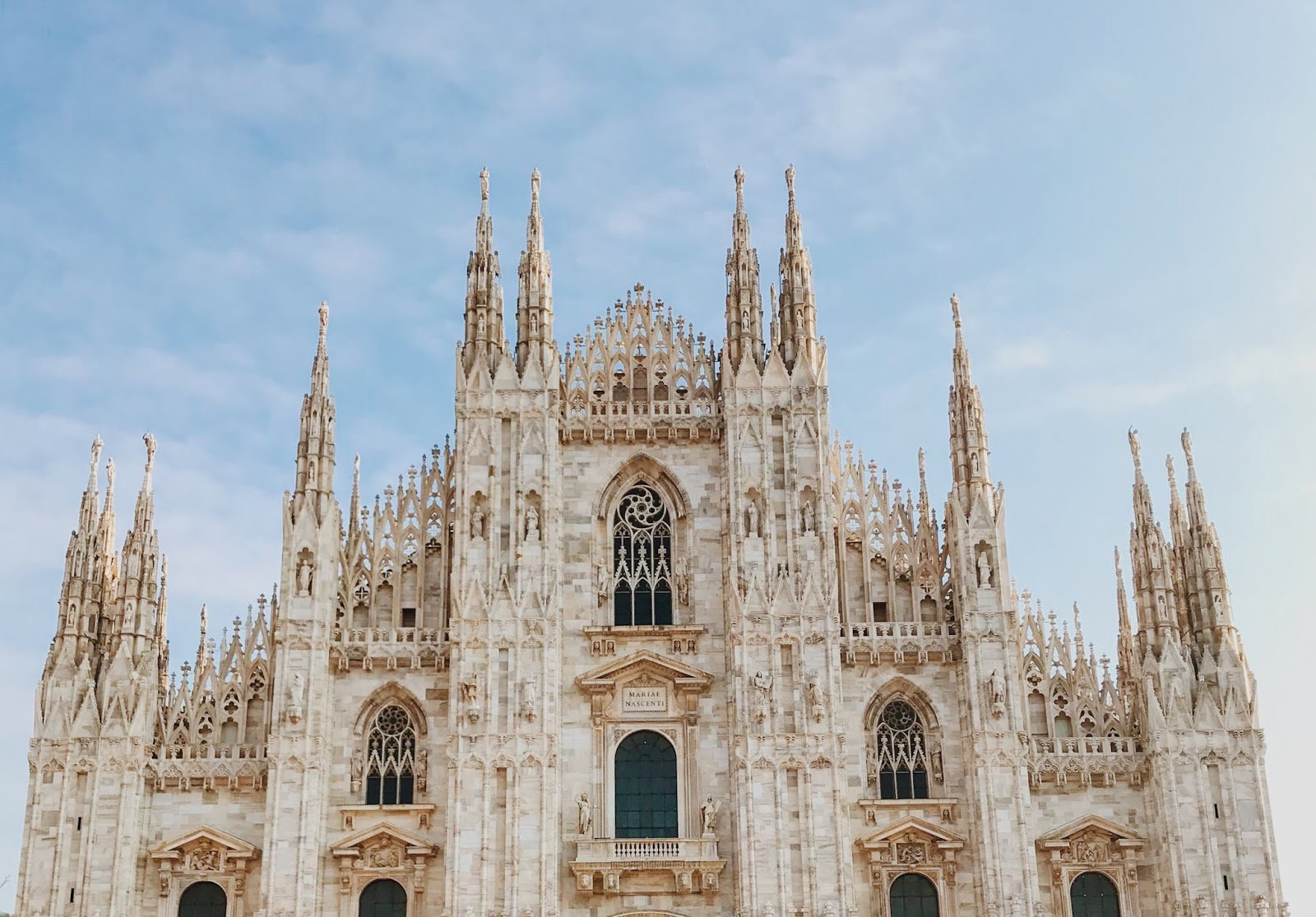
I was born and raised in this city, I showed it to several of my international friends over the years and I never get bored of it, although bad luck decided to follow us back to Milan from Venice. I specifically chose Sunday because Pirellone observatory opens to the public and the view over the city is really cool - but I found out that Comune di Milano stopped the visits temporarily, which means that we were not able to go. At least I googled it before we reached the place, so we went to these places instead: Piazza Affari (the stock exchange), Duomo Cathedral, Galleria Vittorio Emanuele (the exclusive shopping mall), Piazza Liberty, Quadrilatero della Moda (the fashion district), Castello Sforzesco (a 14th-century fortification), Arco della Pace (the arch of peace), Chinatown, Garibaldi & Piazza Gae Aulenti (which hosts the highest skyscraper in the whole country), and ended our walking tour in Navigli, where we had aperitivo. Something cool? We met a girl from Serbia, who happened to be part of AIESEC and so we spent some time with her talking about traveling and foreign languages.


The Touristy Lake Como.
This place never seems to be missing from the list of places to visit in Northern Italy. Since it seems like luck has never been on our side, we ended up losing two trains to Como, boarding a train that eventually never left Milan, and to finally take one that arrived at our destination ten minutes later than expected. I'm not kidding. We lost the train to Como Nord Lago at 1.10pm and we arrived in Como S. Giovanni at 4pm. What a pain in the ass. Wanna know what's funny? The train to Como was the only one that carried delays. Ha.
We took the Funicolare to Brunate to enjoy the view. It's amazing because you can actually see Milan from the top. The round trip ride costs €5.50, which I thought was reasonable. I would avoid going when the sun is still warm and over the lake because the water reflects all the light and it's not the best.


It has definitely been a trip for the books. I'm glad that we were also a bit unlucky and that our plans got changed because all of that made it even more special. There are things that just ourselves can understand. They won't make sense to other people even if you try to explain them in twenty different ways. I have been able to see a lot of people from my exchange throughout the years, but this was the first time that we were more than two. 


And you? Have you met your exchange buddies? If not, are you planning to soon? And where? Your host country, home country or elsewhere?


- Cris